Tracing water entry and leaks in a new Wollert home
Where water gets into new homes in Wollert, how leaks are traced by visual inspection, and what the standards require of flashings and wet areas.




In short: Water almost never enters where the stain appears. How leaks are traced in a new home, and which parts of the building are the usual culprits.
The stain is the end of the journey, not the start
Water travels along framing, sarking, ceiling battens and pipework before it shows itself. A damp patch in a hallway ceiling can begin at a ridge, a valley, a poorly lapped sarking sheet or a bathroom on the floor above. Any investigation that starts and ends at the stain will usually be wrong. The first job is to work out the path, not to patch the plaster.
Roof and flashing failures
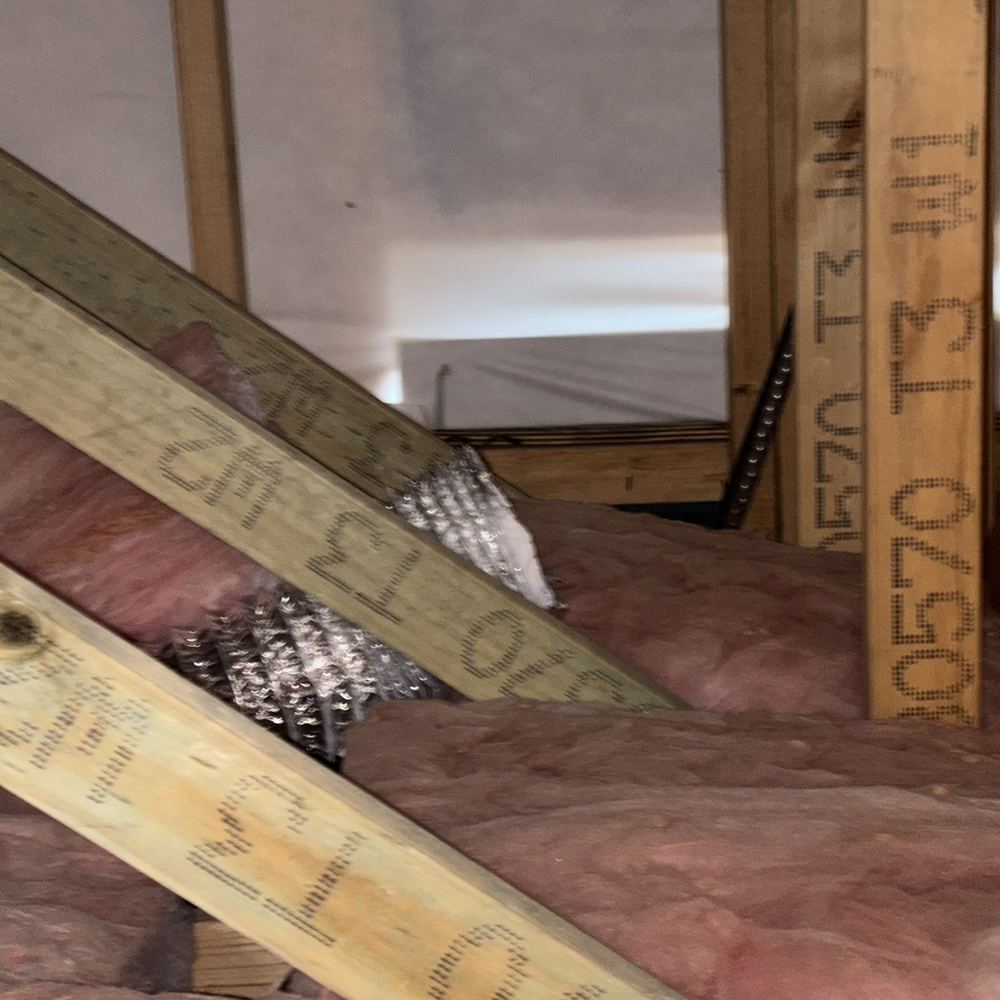
On new homes the frequent roof issues are incorrectly lapped or damaged sarking, valley gutters with insufficient upturn, penetrations flashed poorly around flues and vents, ridge capping bedding and pointing, and box gutters or roof drainage undersized for the catchment.
Windows, doors and the wall junctions
Sill flashings that stop short, missing end dams, damaged membrane at the head, sealant used in place of a flashing and unsealed junctions between different cladding types are all common. Water entering here often shows as damp skirting or a dark line in the plaster below the window, sometimes only after driving rain from one particular direction.
Wet areas and AS 3740 waterproofing
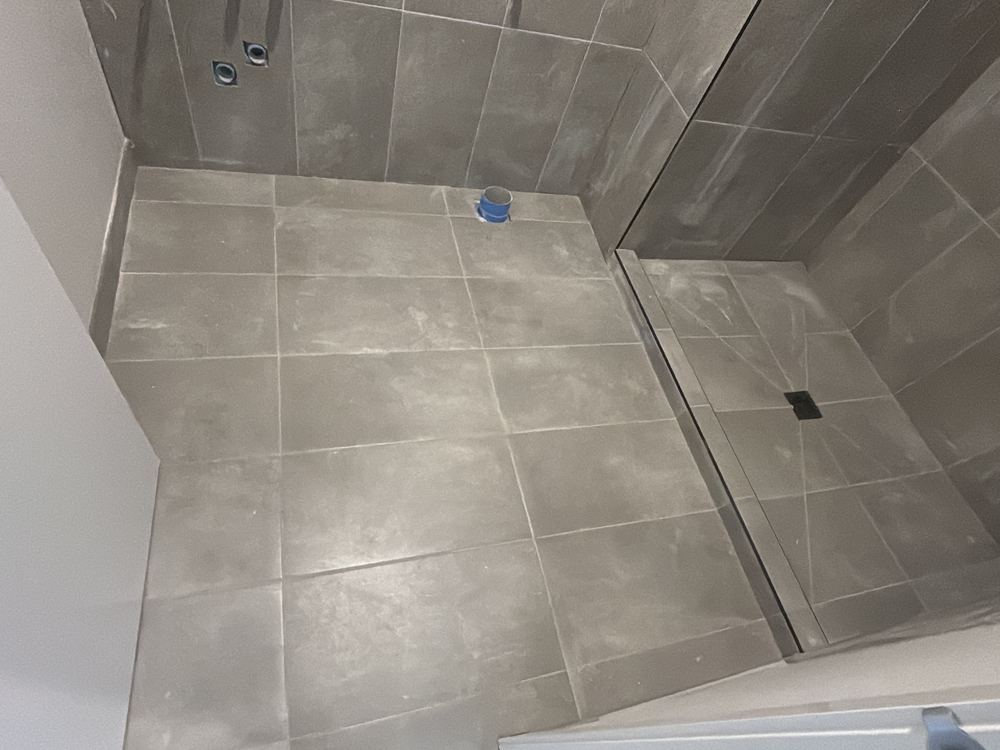
Internal leaks in showers, bathrooms and laundries are the other main source. AS 3740 governs waterproofing of domestic wet areas, and problems usually trace back to membrane termination at hobs, thresholds and the shower waste, falls that do not reach the drain, or penetrations made through a completed membrane. Once tiles are on, none of that is visible.
Ground water and site drainage
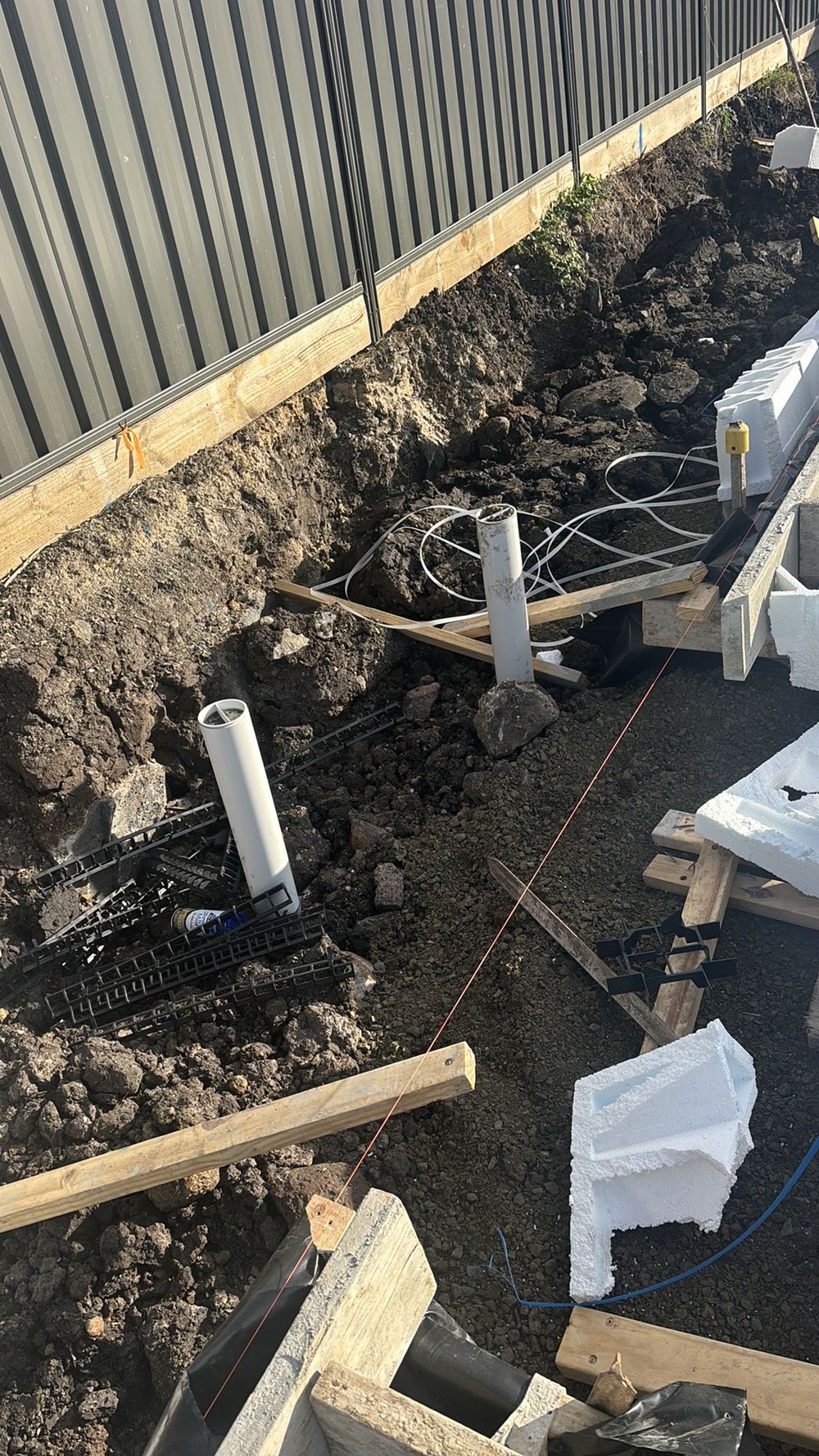
Not all water comes from above. Surface falls running back toward the house, downpipes discharging beside the slab, garden beds built up over the slab edge and blocked or disconnected agricultural drains all put water where it should not be. On reactive clay this both causes damp and drives footing movement, so it is worth checking even when the complaint is about a ceiling.
What an inspection can and cannot establish
Inspection is visual and by hand. Moisture readings, thermal patterns and observation of the building fabric can point strongly to a source, and in many cases identify it. Confirming a path sometimes needs invasive opening up or controlled water testing by the appropriate trade, which is a separate step and should be agreed before it is carried out.
Written by the Owner Inspections team from inspections carried out in Wollert. Licensed building practitioners, Building & Plumbing Commission registration CDB-U 53425.