



When to book each stage inspection on a Wollert build
How to time the pre-slab, frame, lock-up, waterproofing and fixing inspections on a new Wollert home so faults are found while work is open.
A bored pier inspection looks at the drilled footing holes before concrete is placed. We check depth, diameter, founding material, hole cleanliness and the steel cages against the engineer's design.
Wollert sits on the Newer Volcanics basalt plains, so the profile is usually heavy reactive clay sitting over basalt, with rock floaters through it. A rig can stop on a floater and call it rock. Piers on this ground have to reach the founding material the engineer nominated, and the lot's own soil report governs that depth.
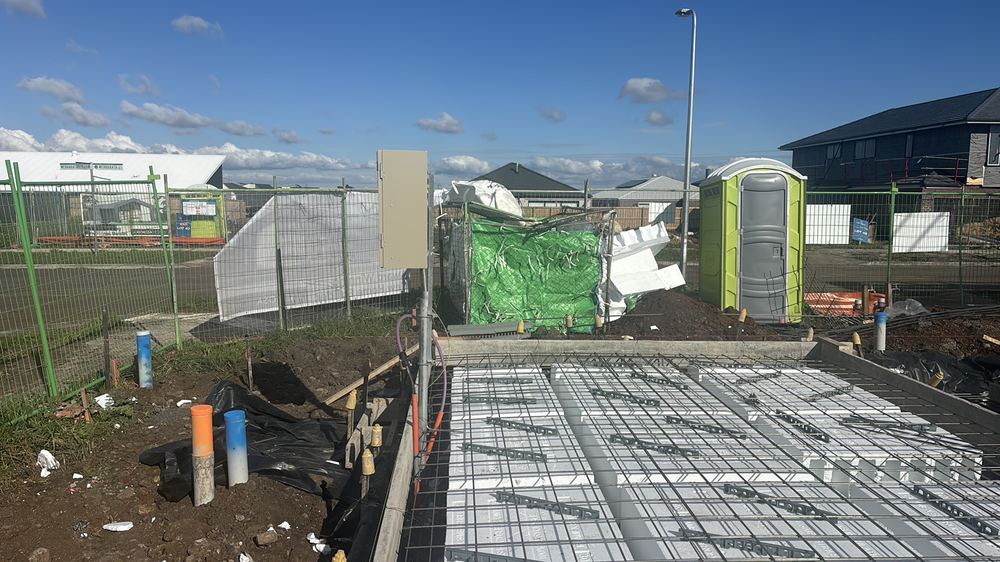
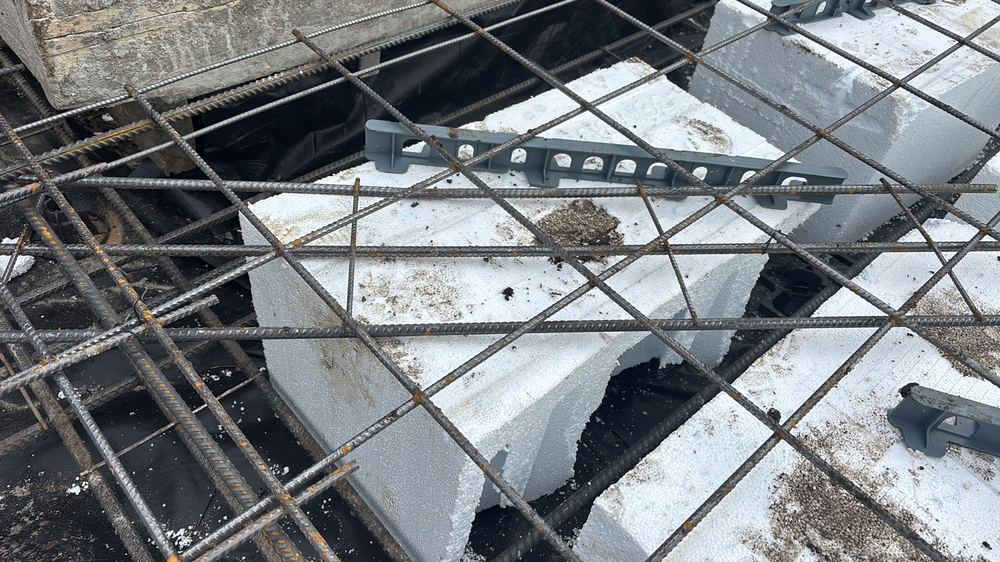
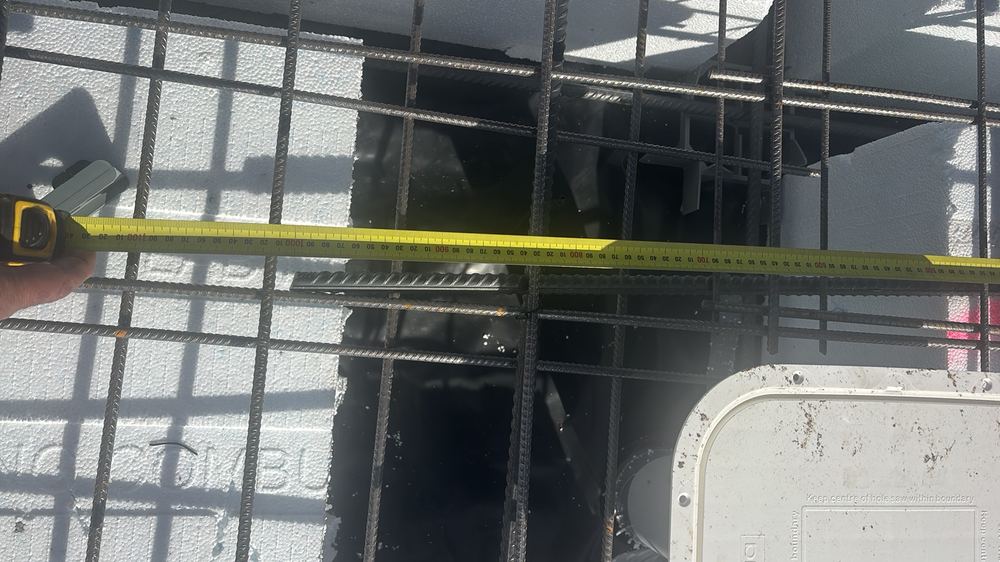
Annotated findings from Bored piers inspections on Wollert builds. Client addresses withheld.
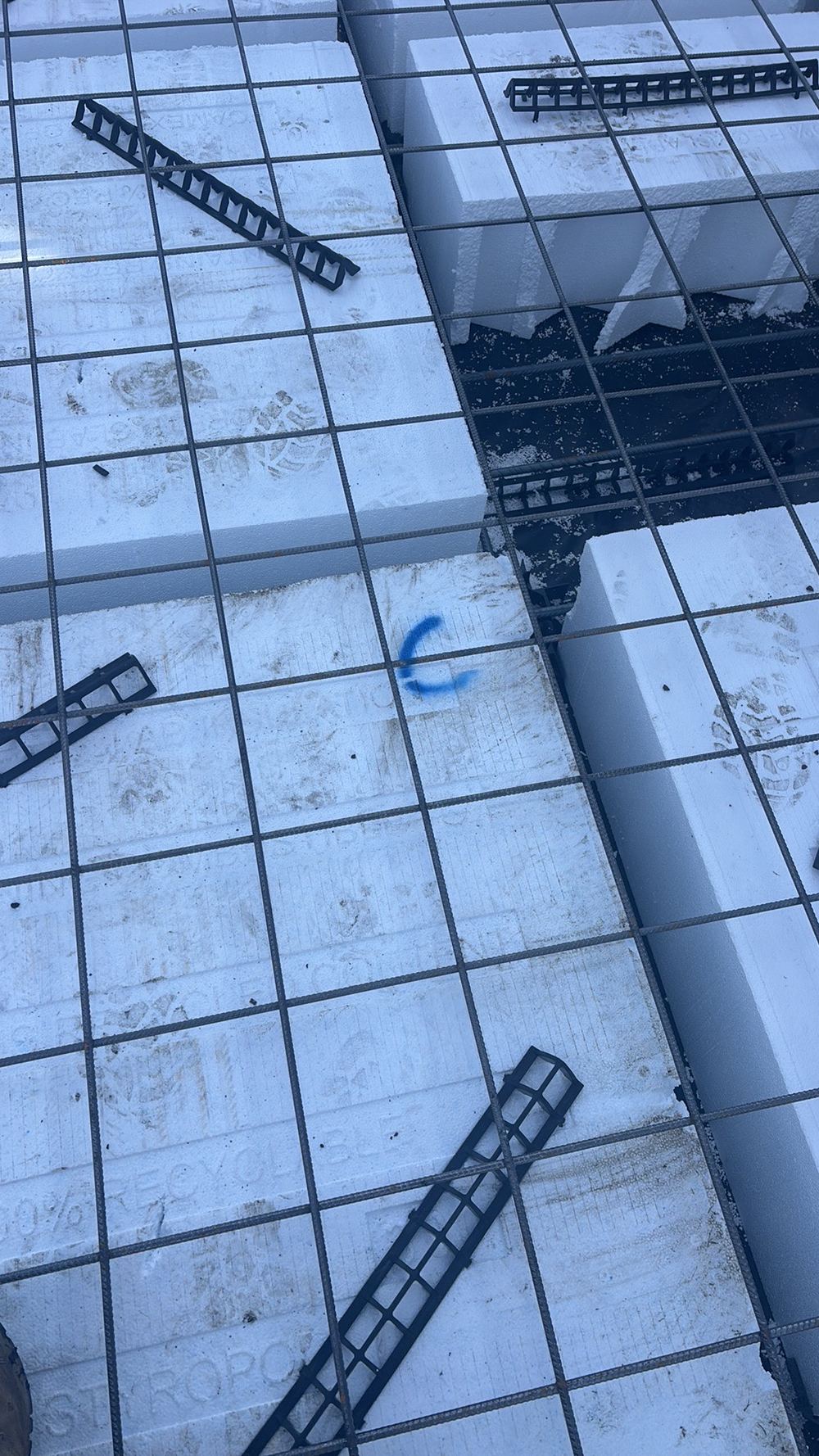
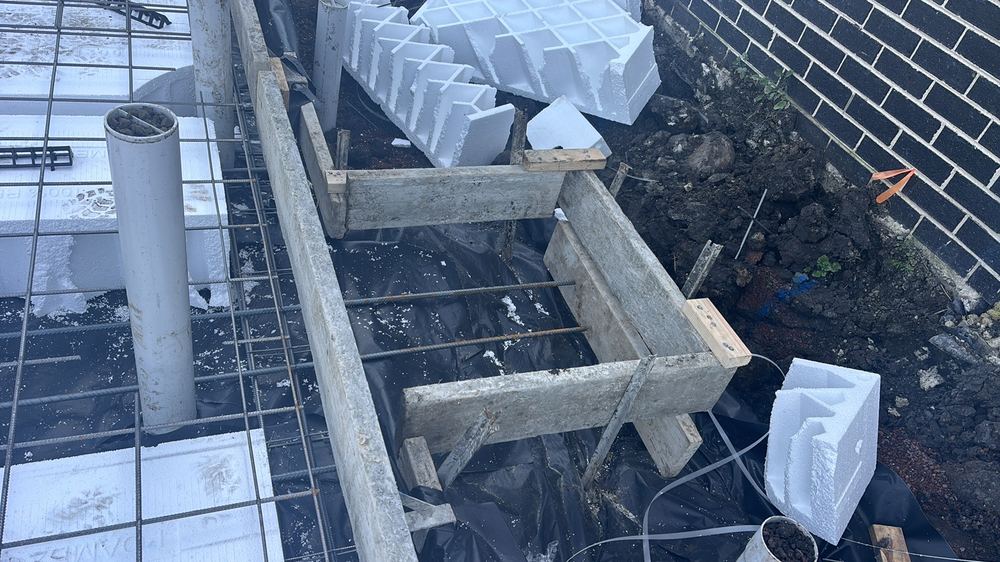
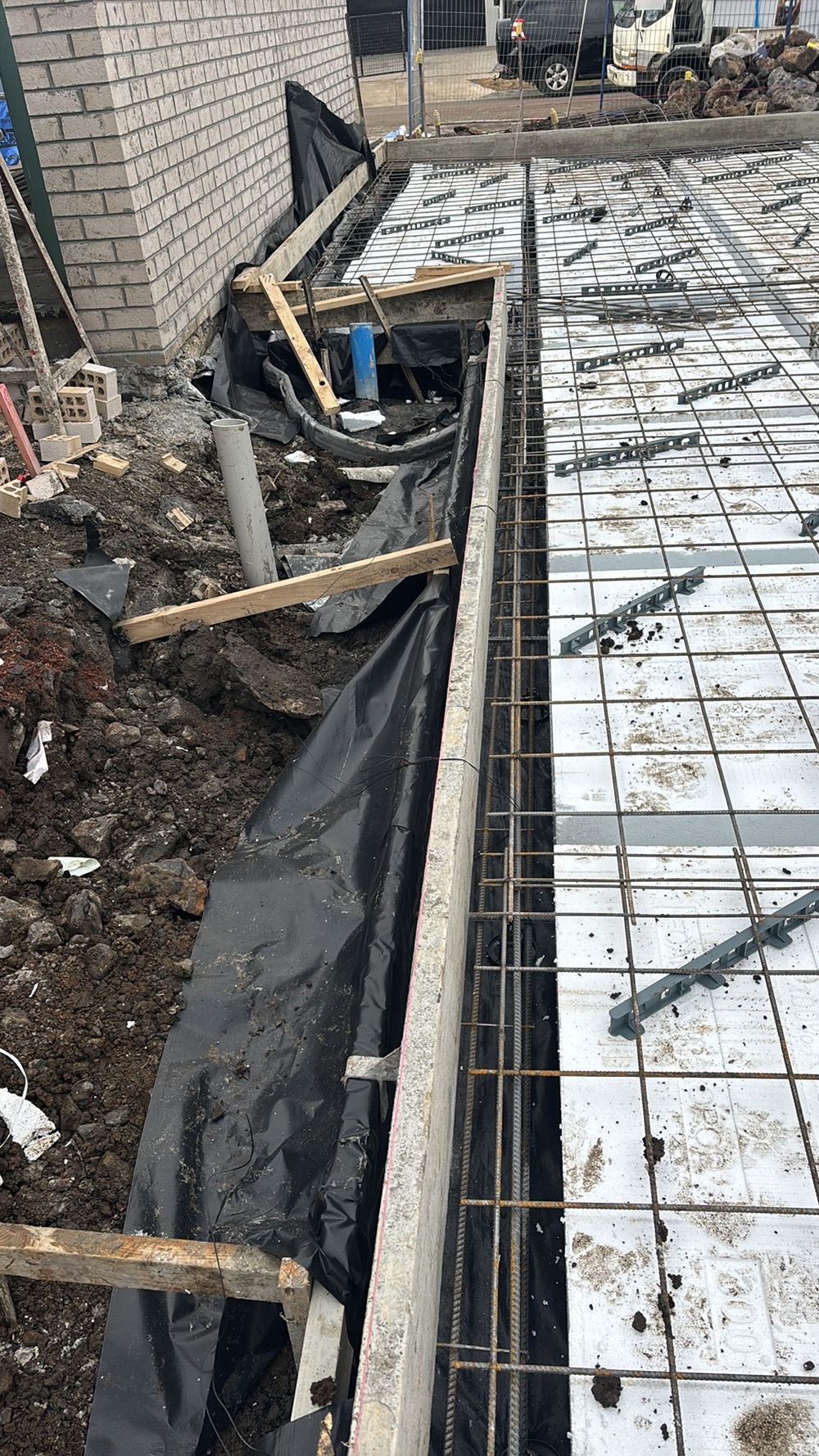
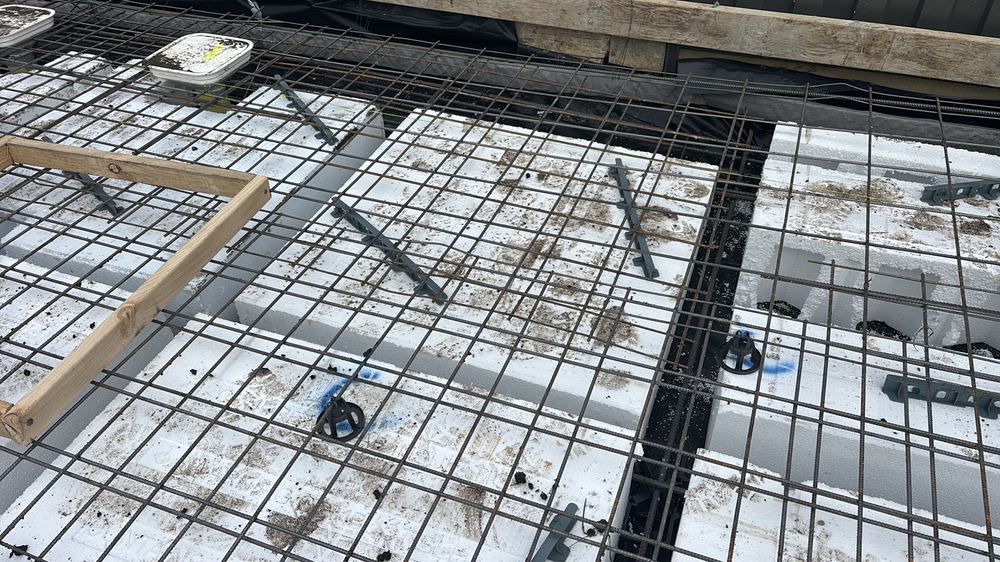
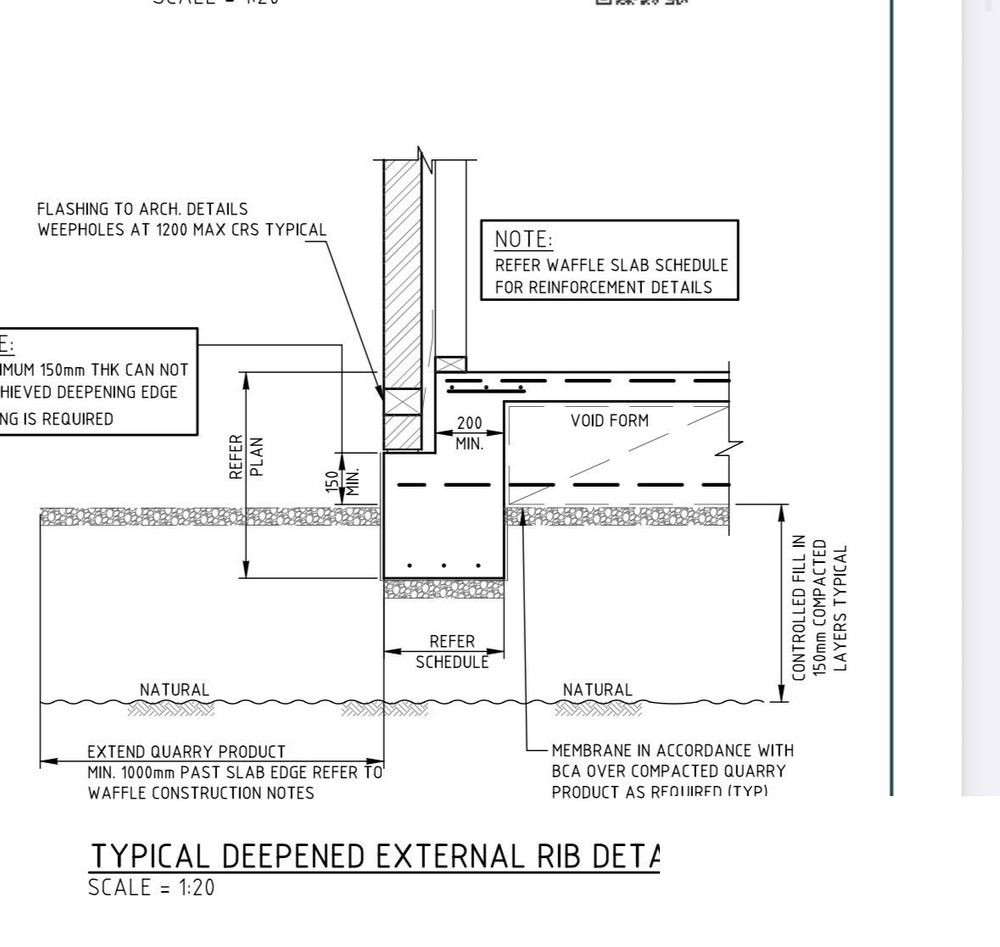
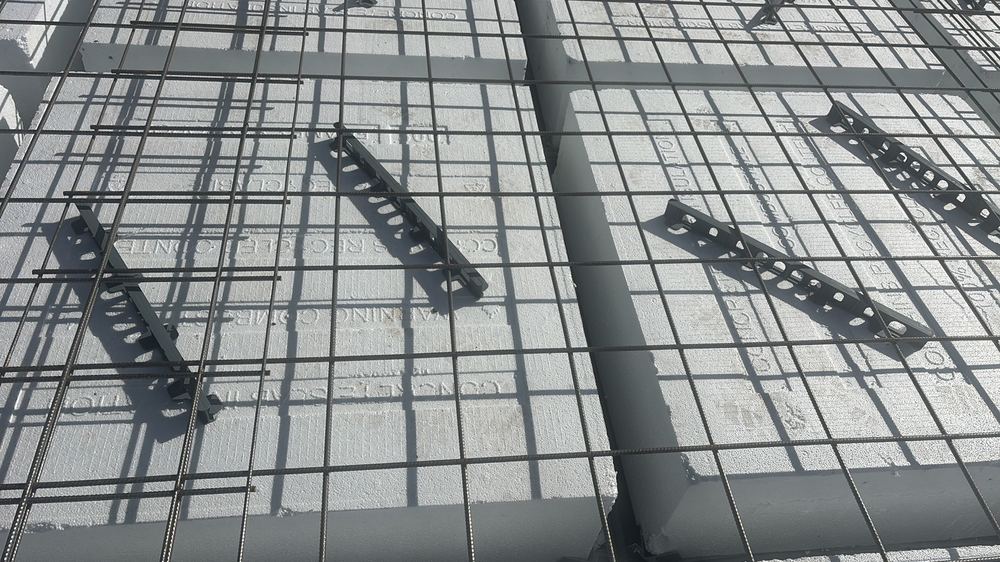 2Slab pre-pourThe day before the pour, while the steel and pods are still exposed
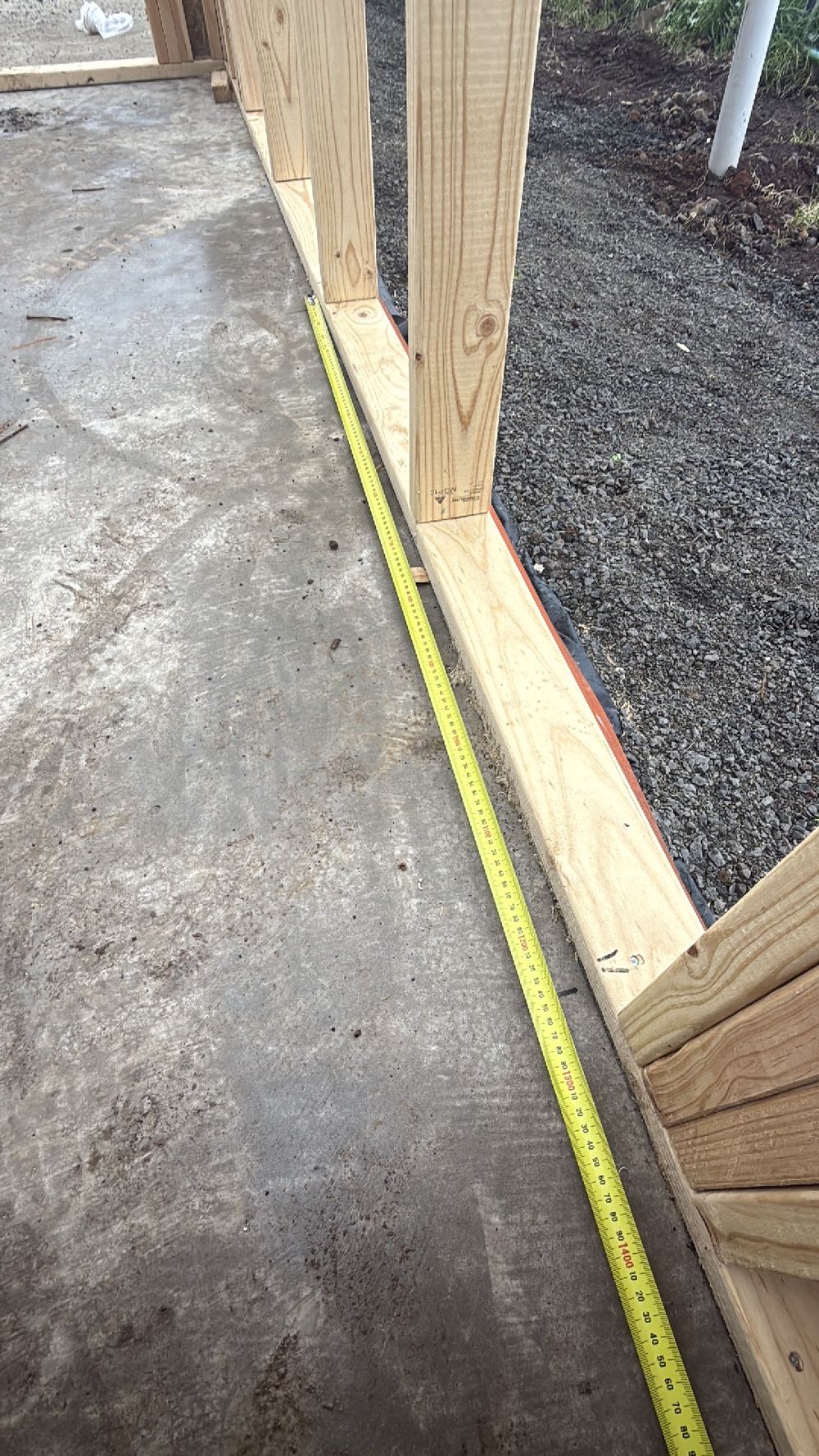 3FrameOnce the trusses are up, before wrap, sarking or cladding hides anything
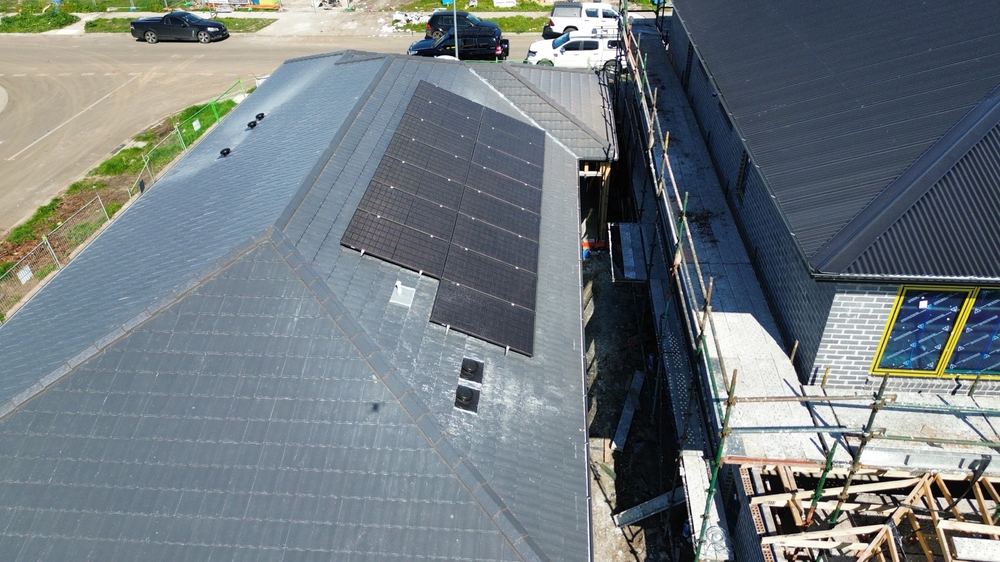 4Lock-up (pre-plaster)After roof, windows and brickwork, before the plasterer arrives
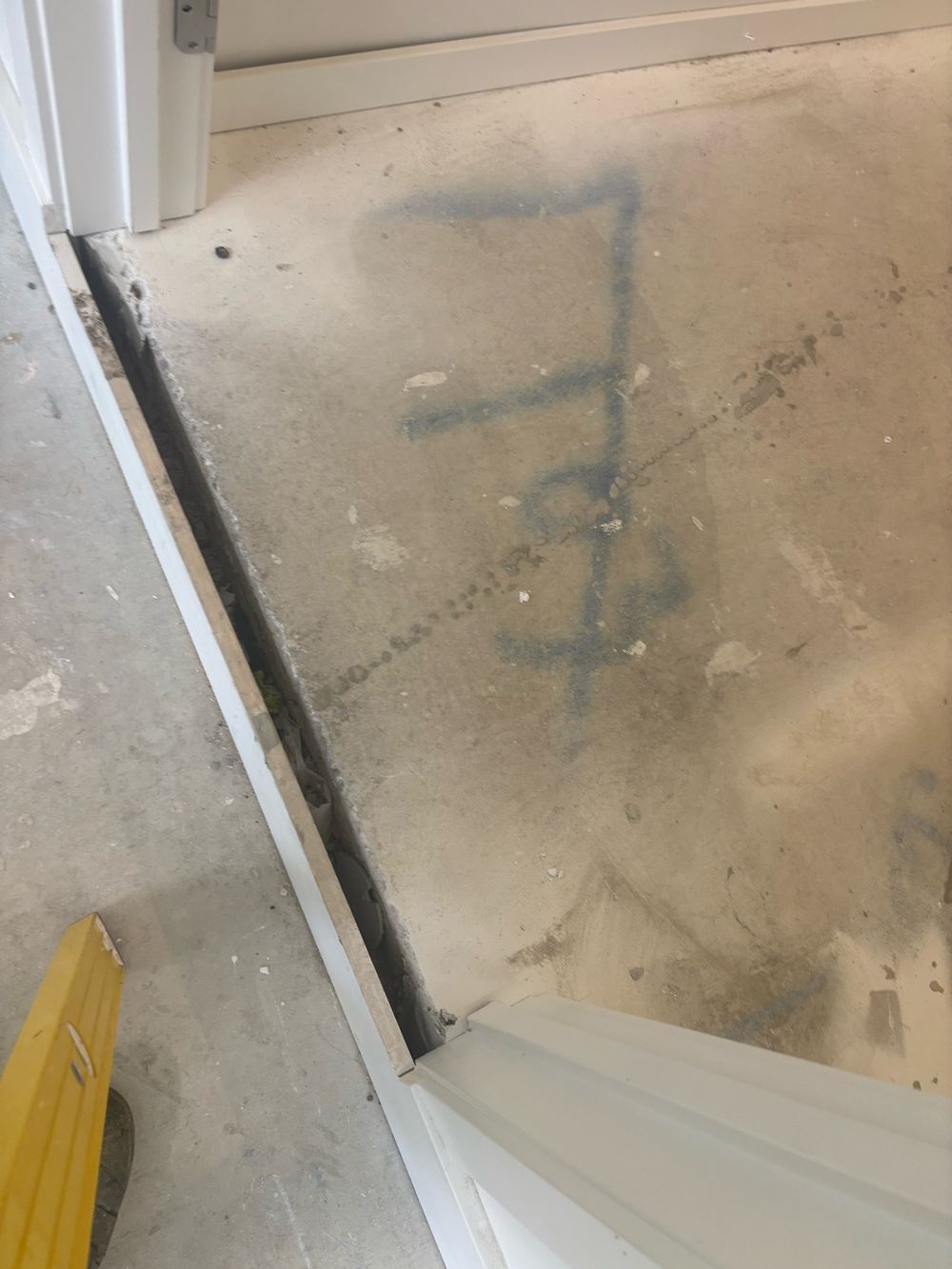 5FixingAfter plaster, doors and cabinetry, before the painter starts
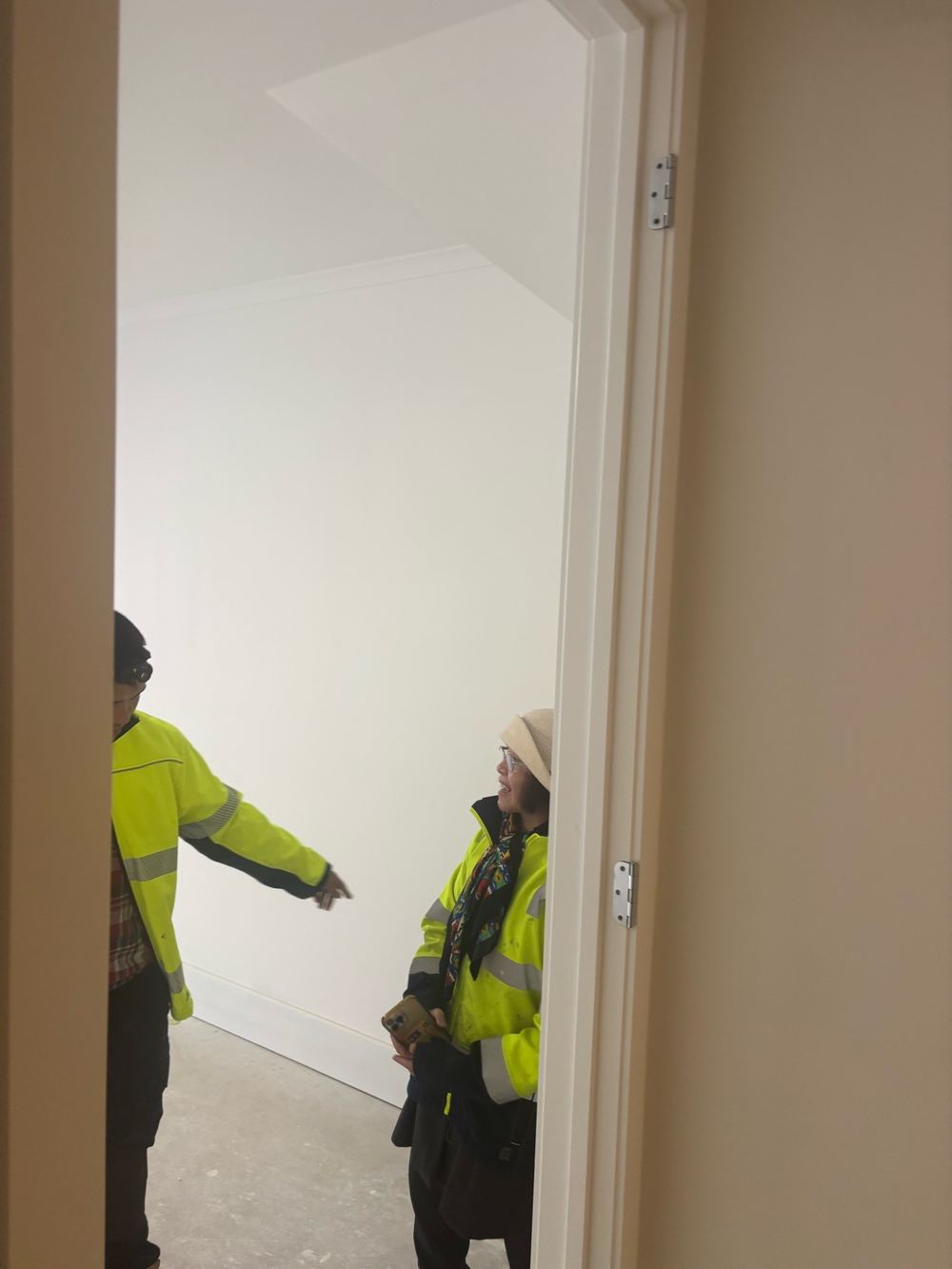 6WaterproofingAfter the waterproofer finishes and before a single tile is laid
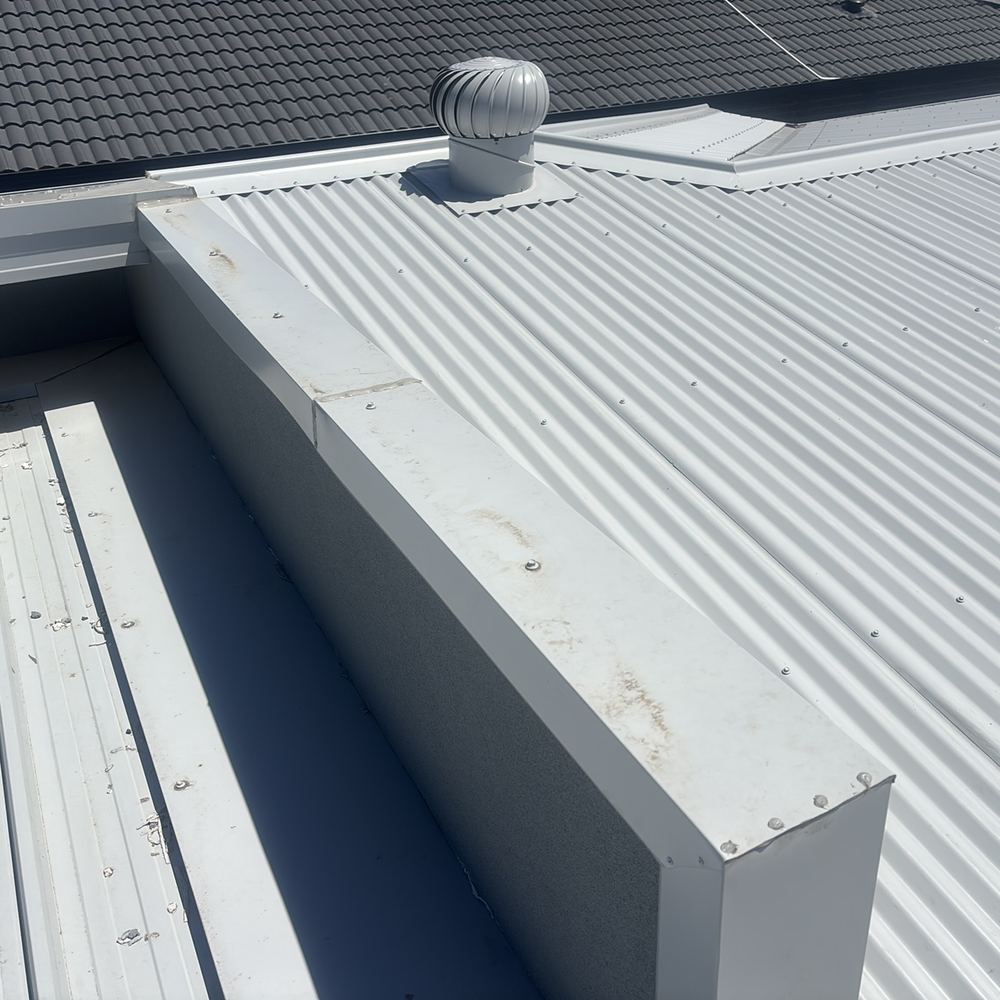 7Pre-handover (PCI)At practical completion, before you sign anything or hand over the final payment
How to time the pre-slab, frame, lock-up, waterproofing and fixing inspections on a new Wollert home so faults are found while work is open.
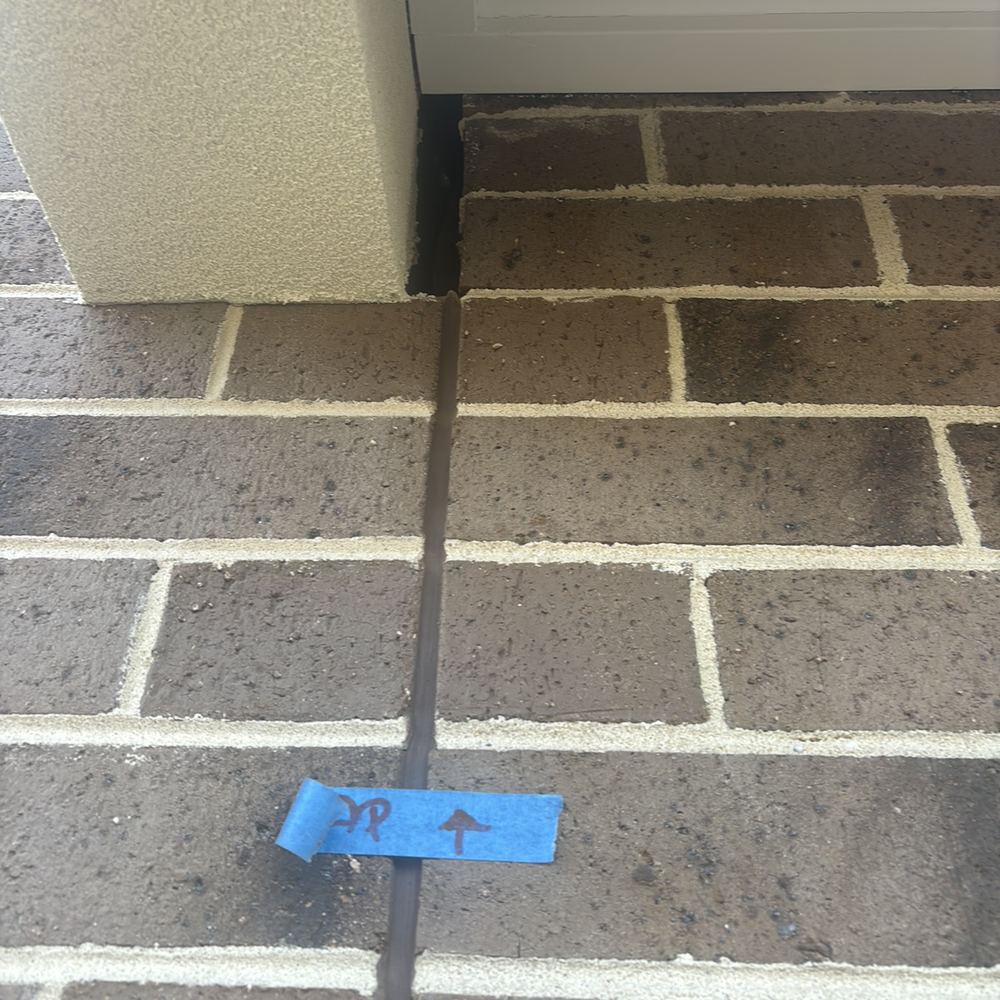
Wollert sits on Newer Volcanics basalt with heavy reactive clay above it. What that means for slab design and your pre-slab check.
What to do in Victoria when a builder blocks your private stage inspector, including contract access, written notice and the BPC dispute pathway.
Instant online pricing, or talk to the booking team on 1300 471 805.
No. Once concrete is in the hole the depth, the base and the cage are all hidden. A pier inspection only works before the pour, which is why it has to be booked around the drilling day.
The engineer does, working from the soil report for your lot and AS 2870. We measure what was drilled against that design rather than against a rule of thumb, because depths change from lot to lot.
No. Some lots are built on a stiffened raft slab with no piers at all. Piers appear where the soil report and the footing design call for them, commonly on reactive or filled ground.
That is a question for the engineer, not the builder alone. Rock floaters near the surface are common on basalt country, and founding on one is not the same as founding on the rock the design assumed.
Usually one to two hours, depending on how many piers are open and whether the drilling is still running. We report the same day or the next business day with photos of each hole we could see.
No. All of our work is visual and from the surface, using a measuring tape and a light. We do not enter excavations and we do not carry out any testing of soil or concrete.