



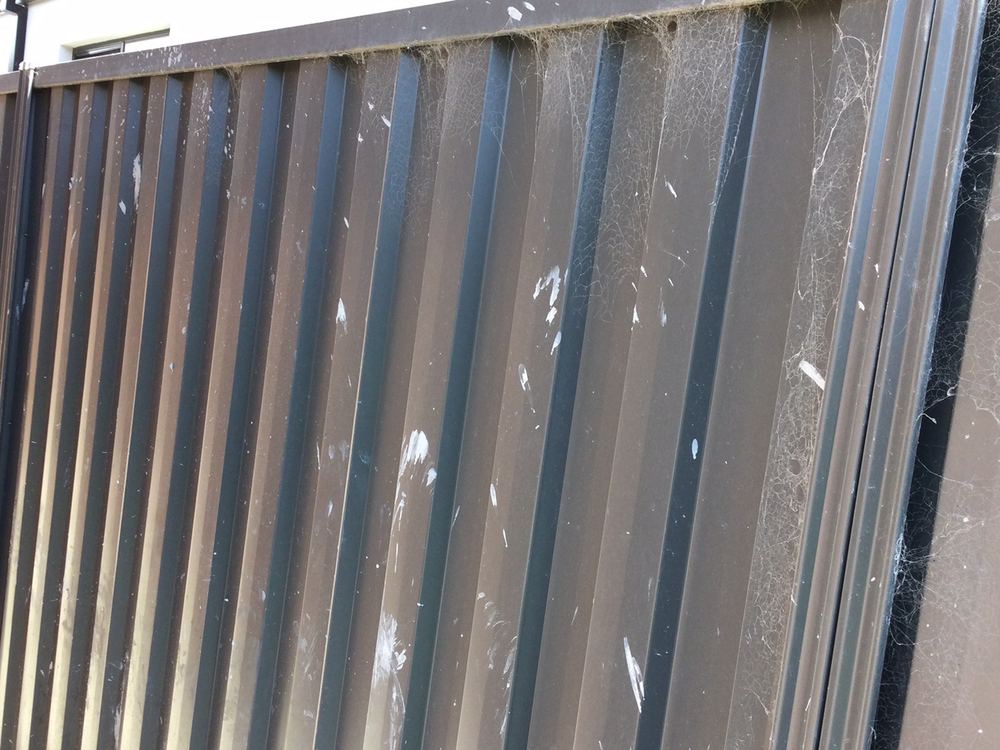
When to book each stage inspection on a Wollert build
How to time the pre-slab, frame, lock-up, waterproofing and fixing inspections on a new Wollert home so faults are found while work is open.
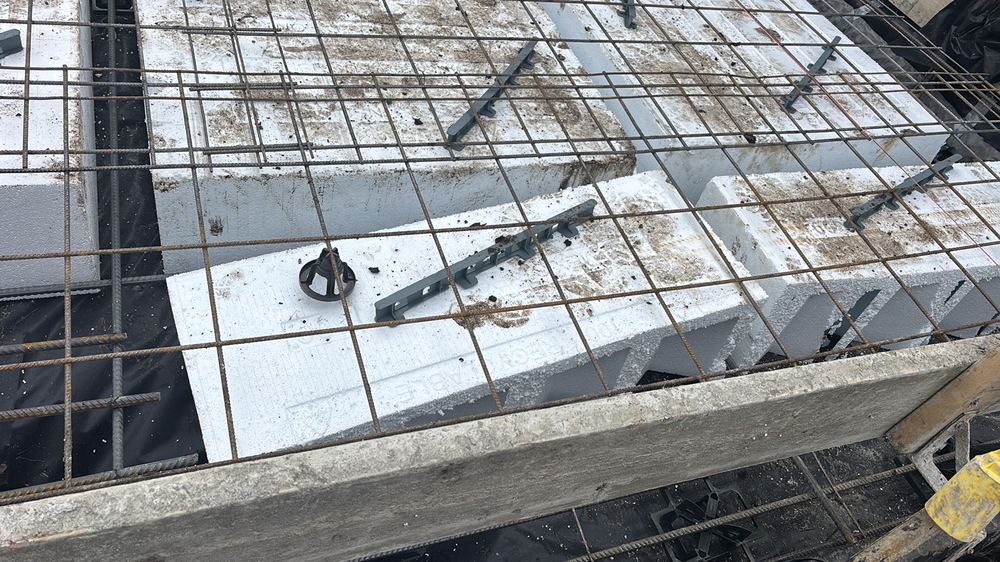
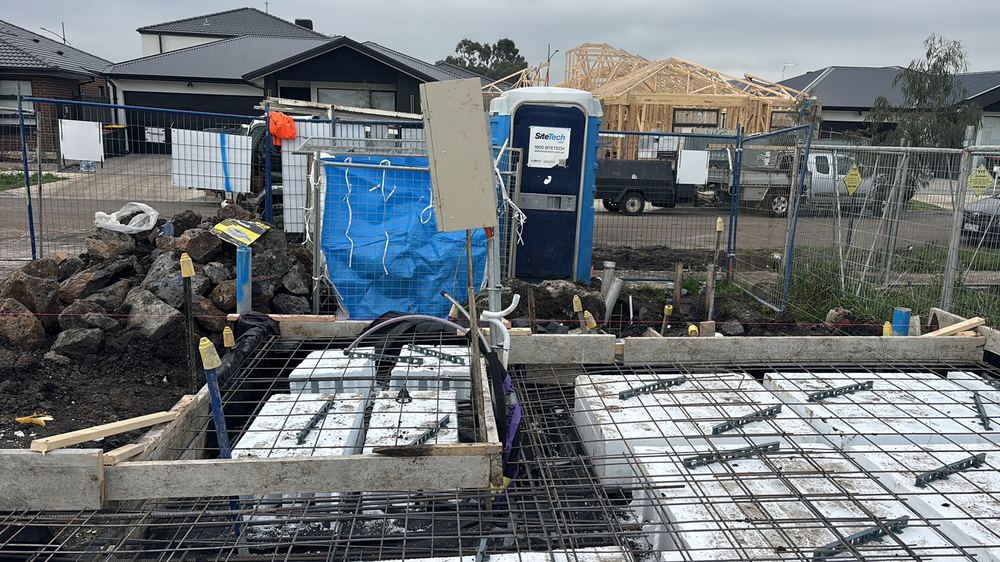
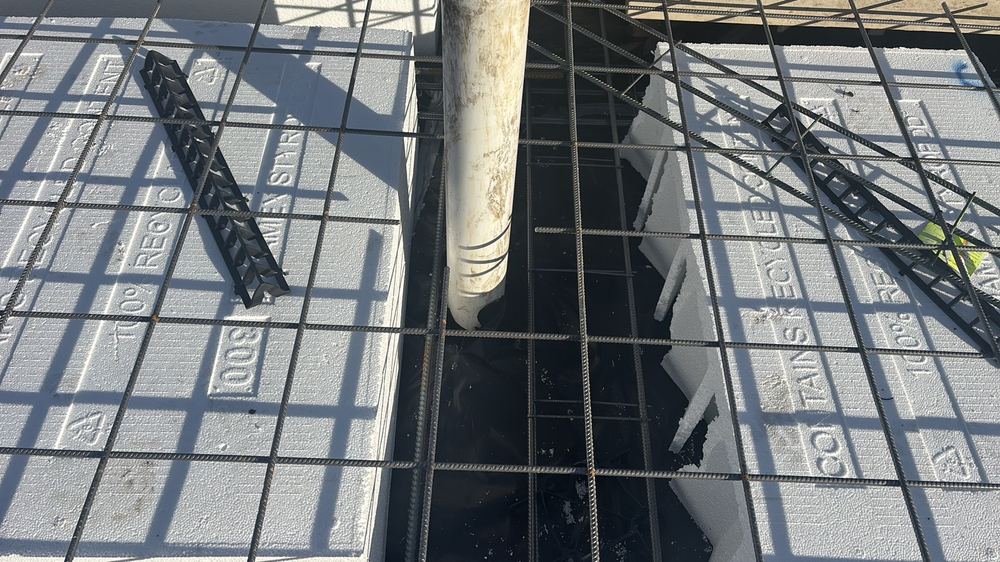
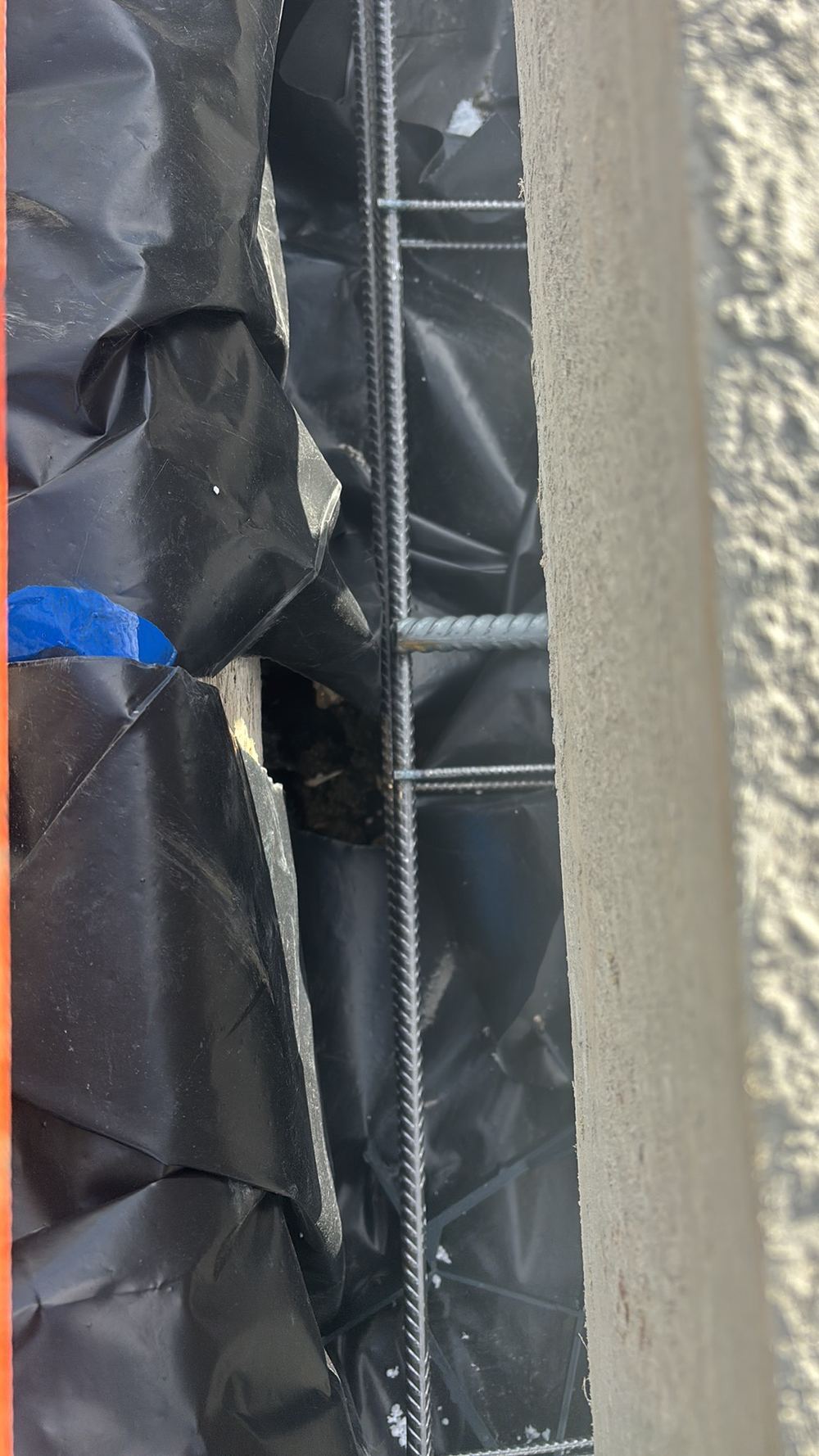
A slab inspection is the last look at your footing system before the pour. We check set-out, beams, pods, steel, cover, the vapour barrier and every penetration through it.
Reactive clay over basalt moves through the year, swelling after a wet winter and shrinking back through a dry Wollert summer. The slab is what carries that movement, so beam depth, beam width and correct steel are not details. Your lot's soil report sets the classification and the slab design follows from it.
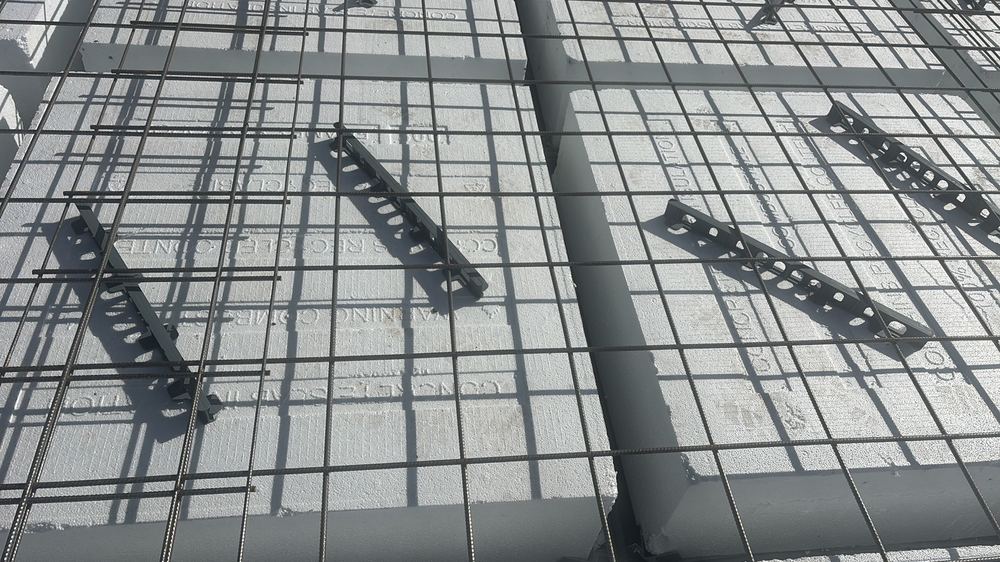
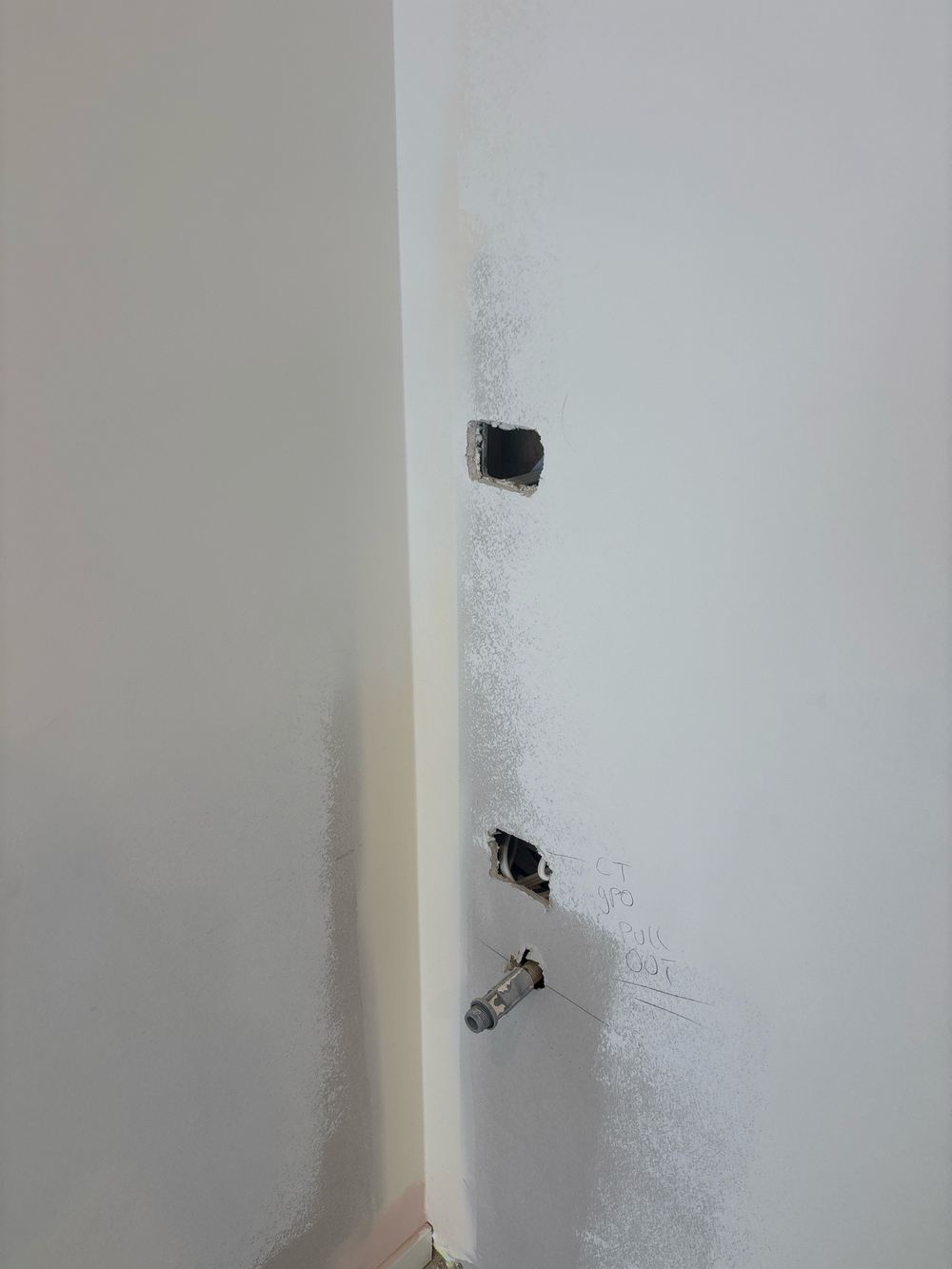
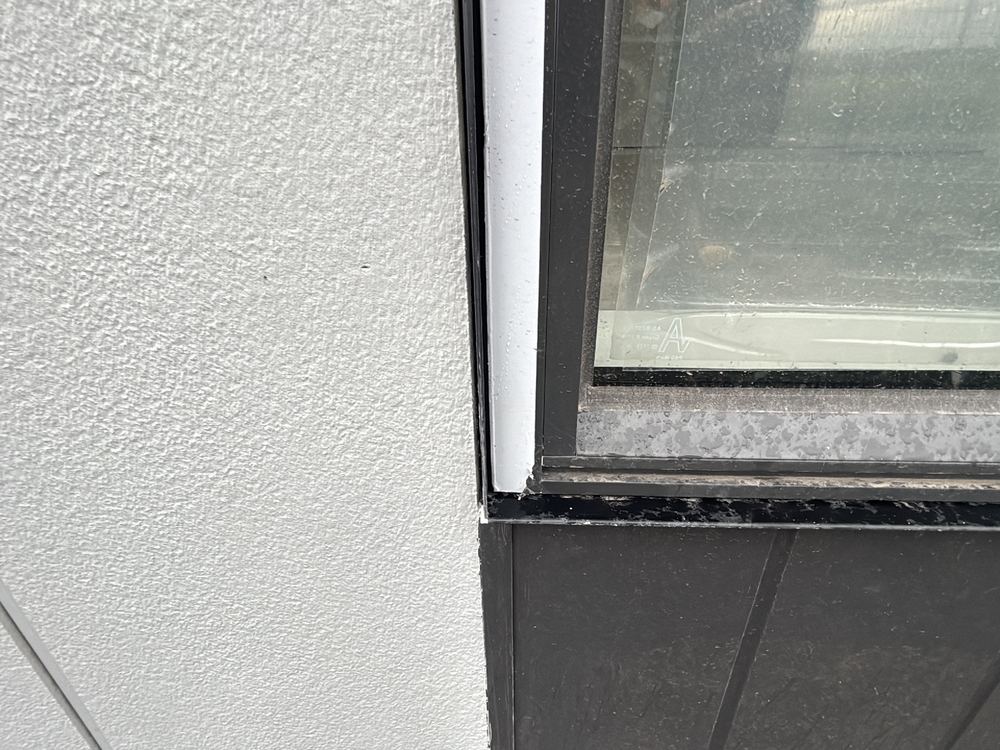
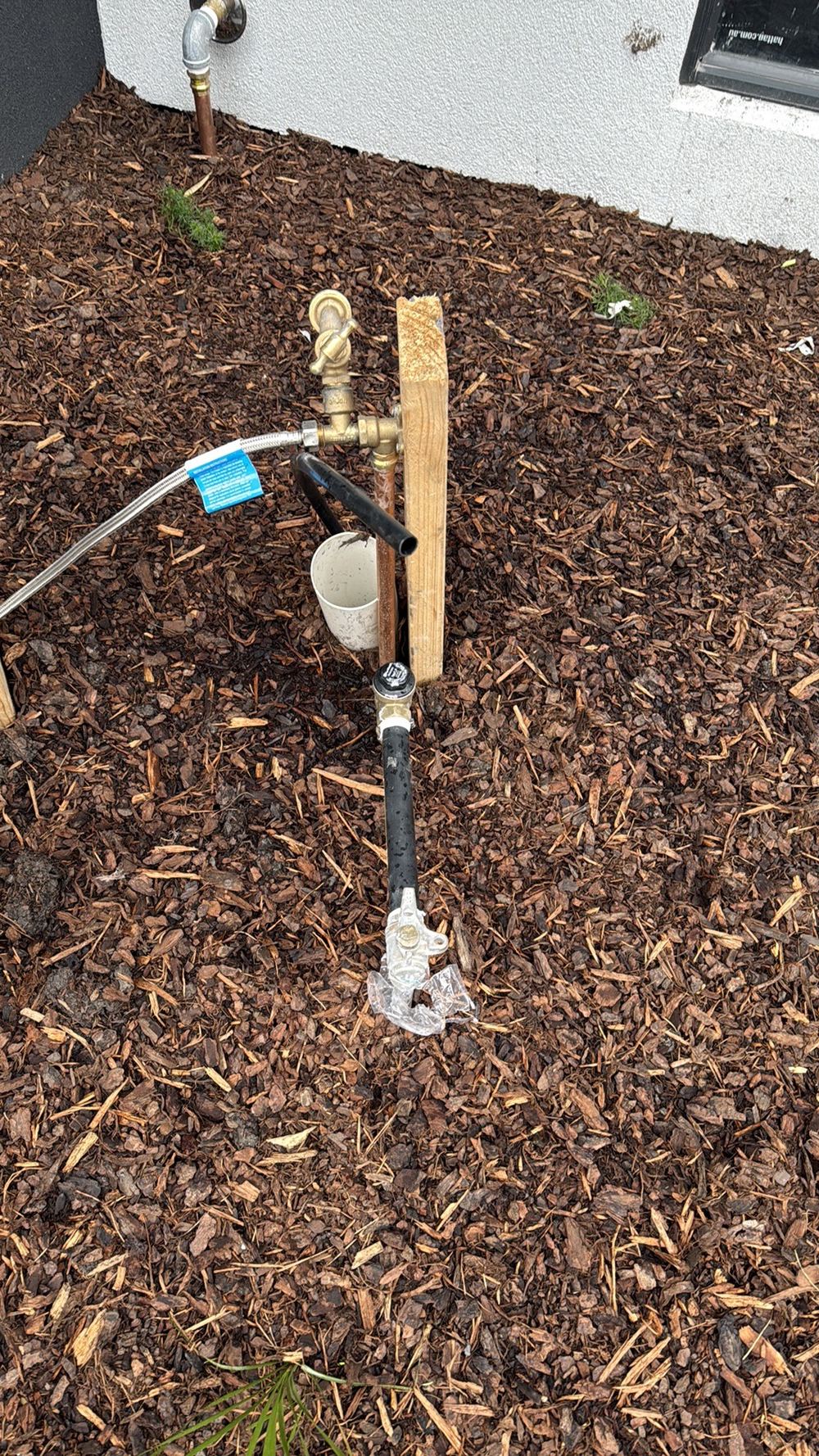
Annotated findings from Slab pre-pour inspections on Wollert builds. Client addresses withheld.
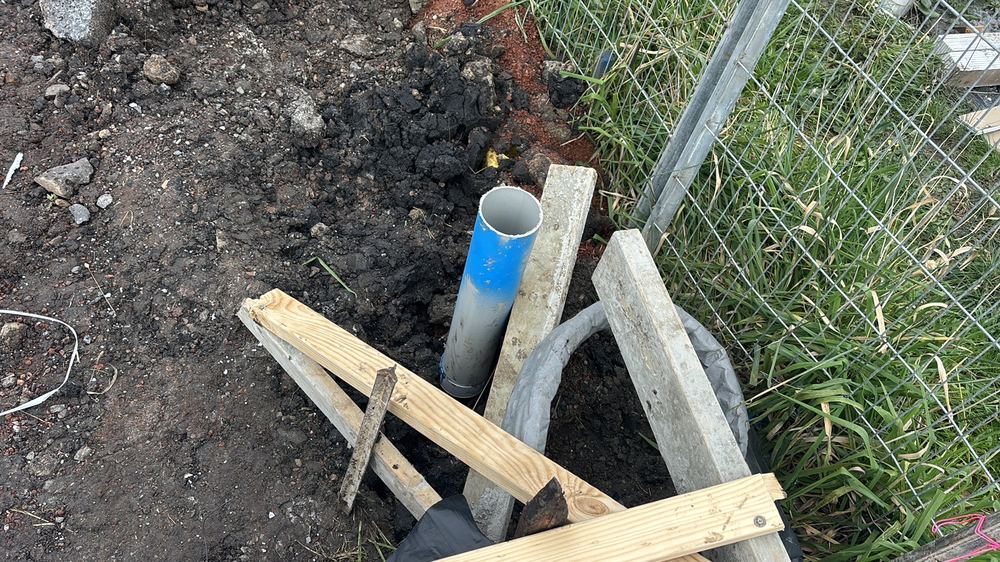
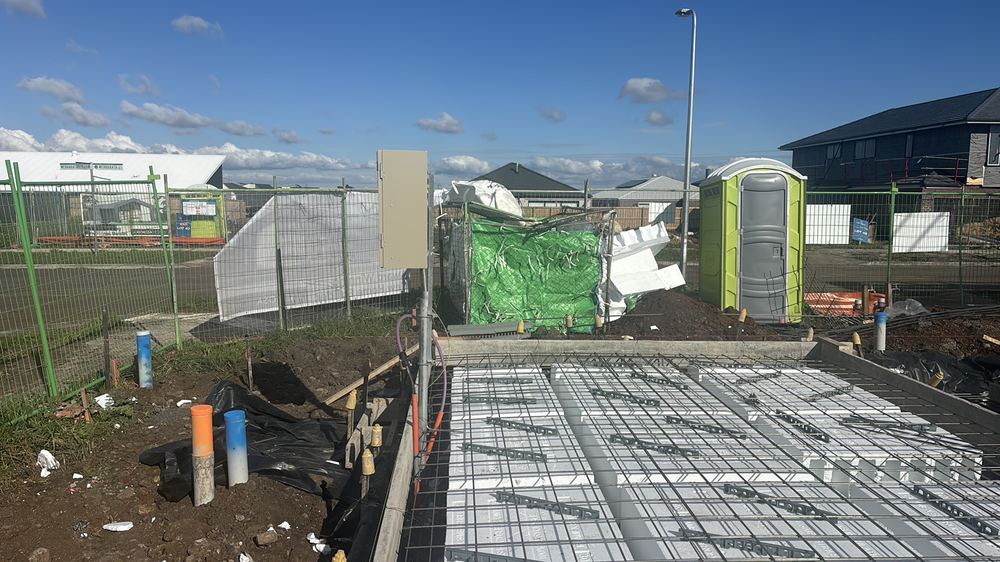 1Bored piersOnce the holes are bored and the cages are in, before any concrete goes near them
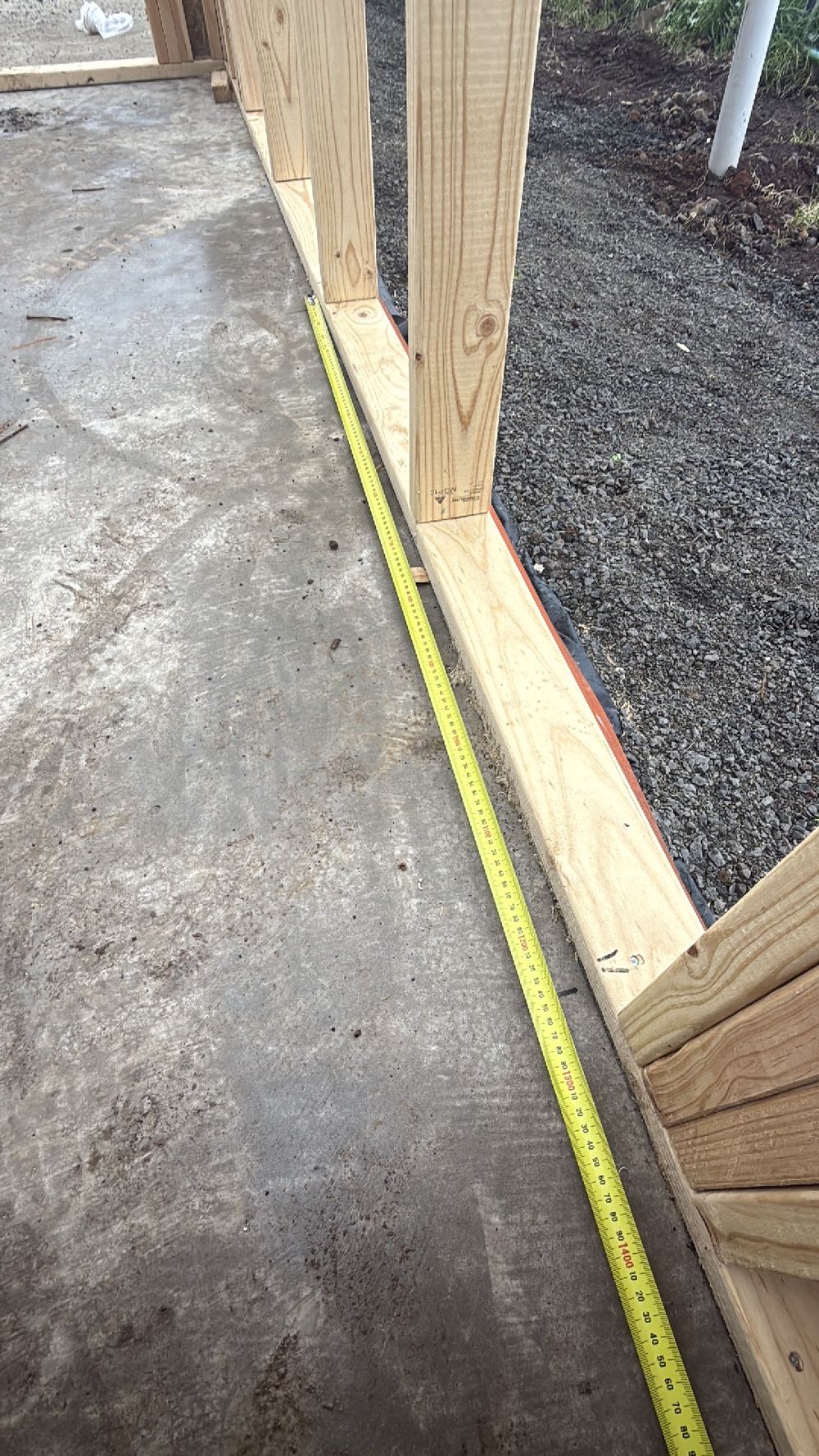 3FrameOnce the trusses are up, before wrap, sarking or cladding hides anything
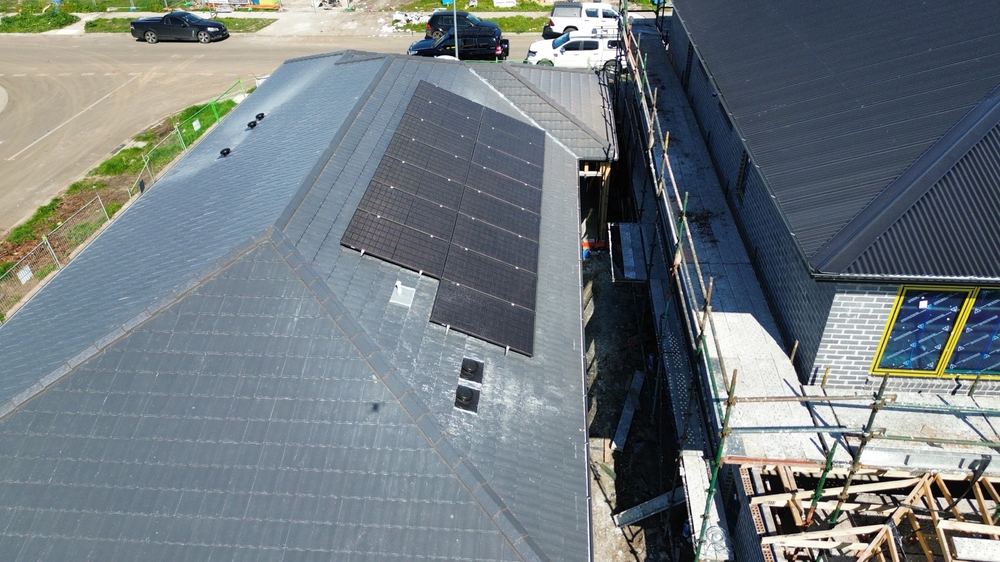 4Lock-up (pre-plaster)After roof, windows and brickwork, before the plasterer arrives
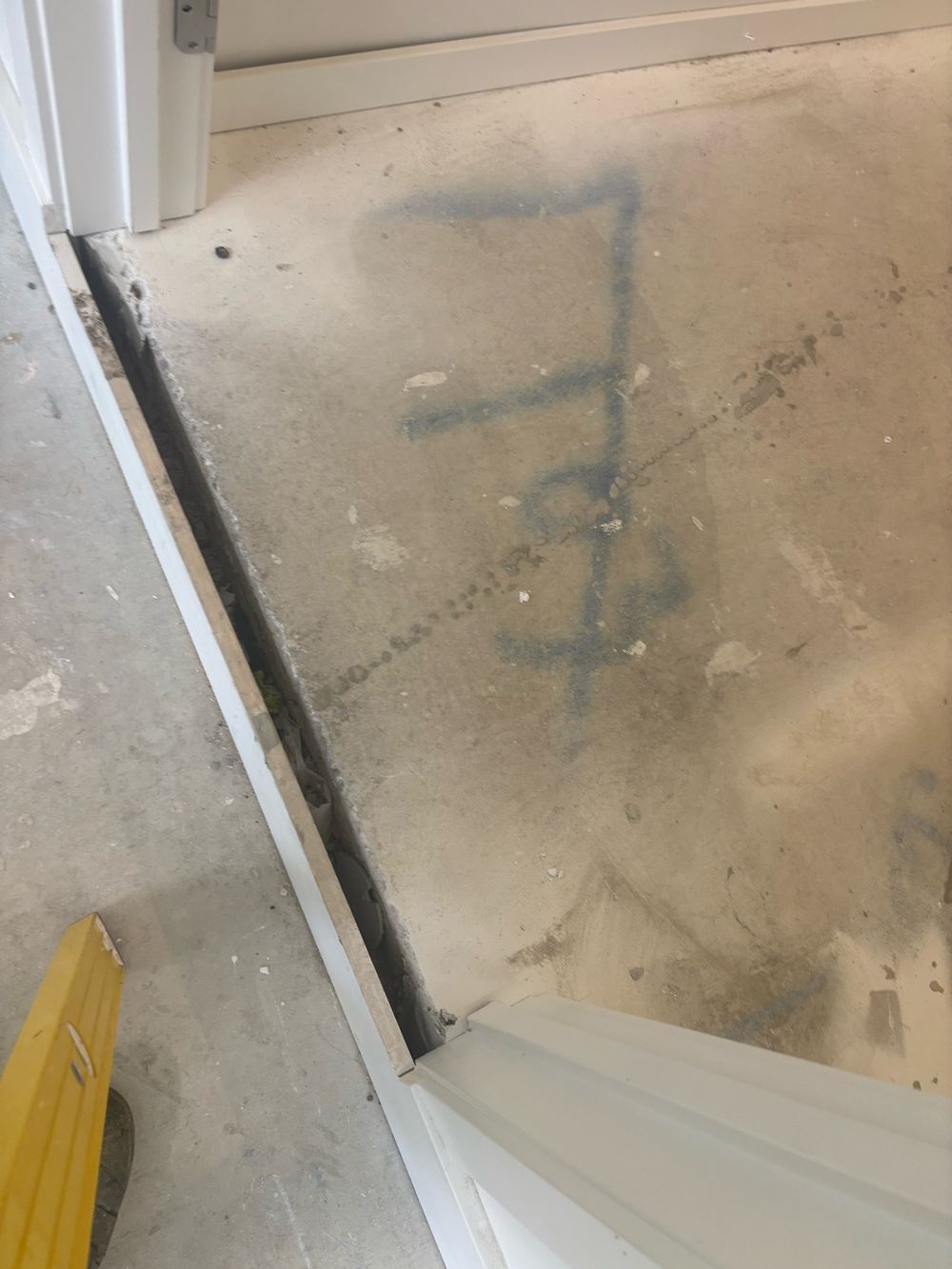 5FixingAfter plaster, doors and cabinetry, before the painter starts
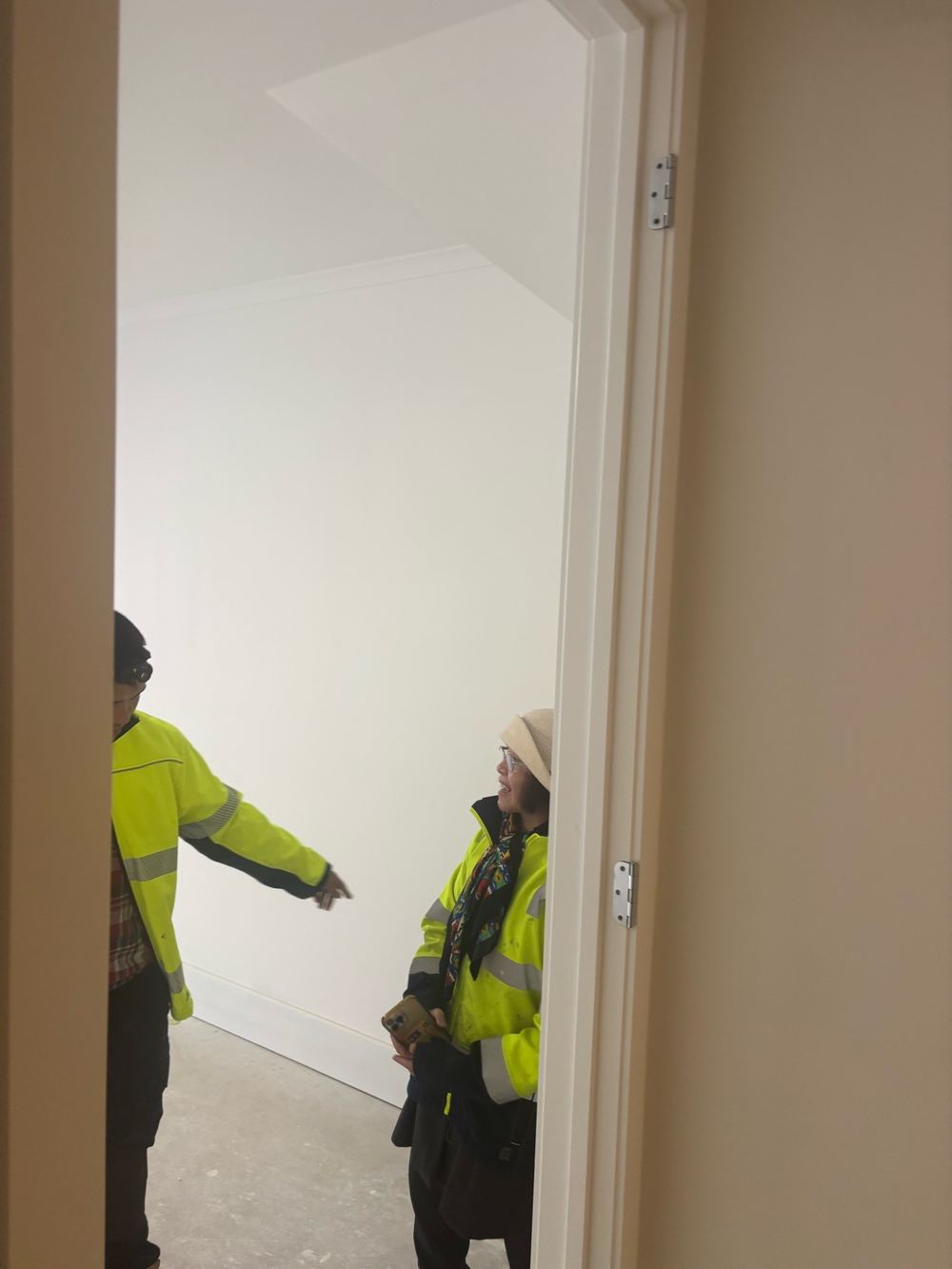 6WaterproofingAfter the waterproofer finishes and before a single tile is laid
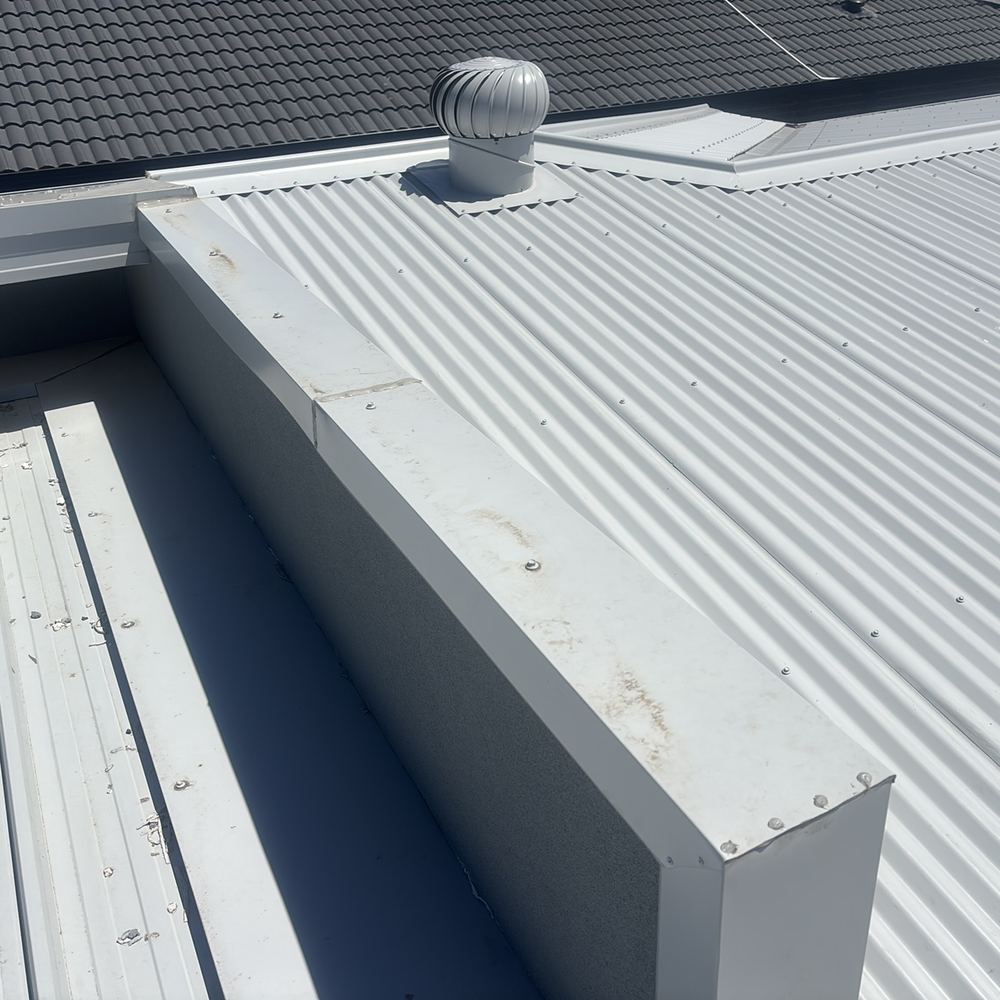 7Pre-handover (PCI)At practical completion, before you sign anything or hand over the final payment
How to time the pre-slab, frame, lock-up, waterproofing and fixing inspections on a new Wollert home so faults are found while work is open.
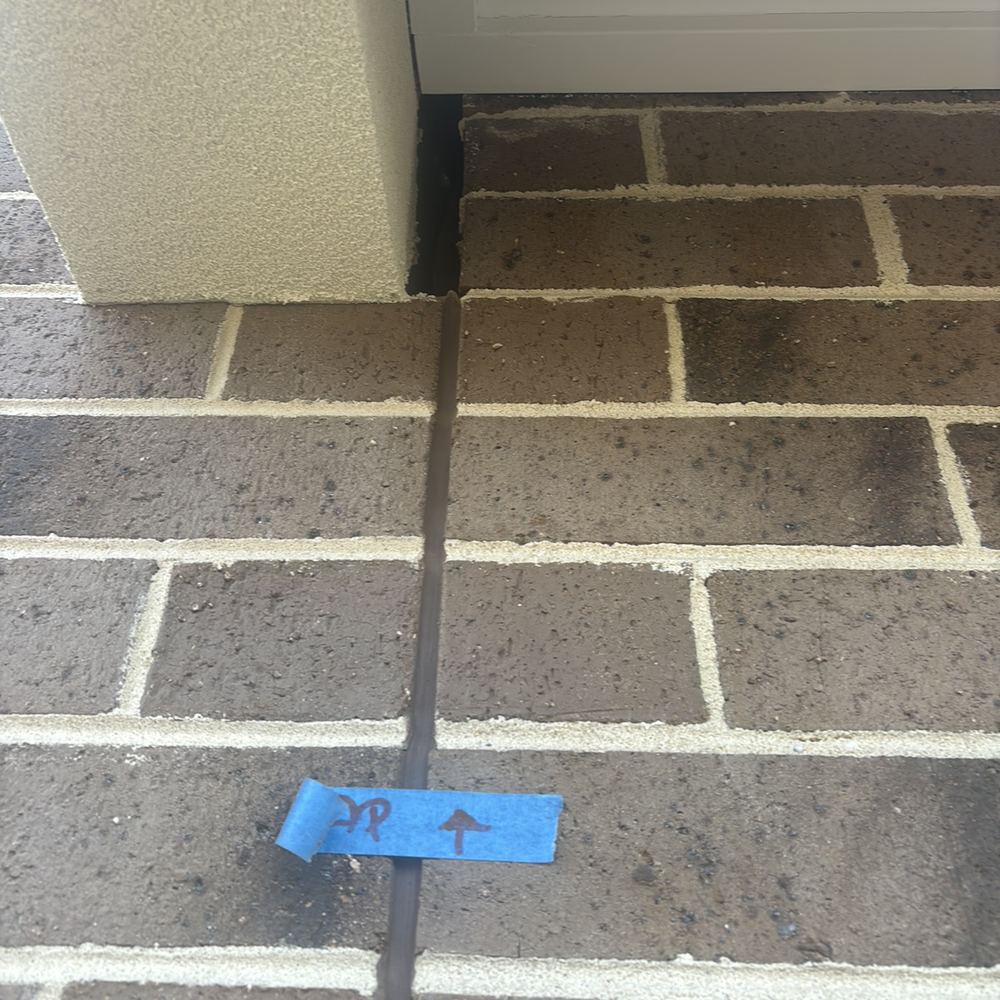
Wollert sits on Newer Volcanics basalt with heavy reactive clay above it. What that means for slab design and your pre-slab check.
What to do in Victoria when a builder blocks your private stage inspector, including contract access, written notice and the BPC dispute pathway.
Instant online pricing, or talk to the booking team on 1300 471 805.
Three to five working days is usually plenty. The steel is generally complete a couple of days before the pour, and that window is when the slab can still be inspected and corrected.
AS 2870 covers residential slabs and footings, along with the engineer's own drawings for your lot. We compare what is on the ground to those documents and to the Guide to Standards and Tolerances 2015.
Often yes. Most slab findings are small fixes such as adding chairs, taping the membrane or repositioning steel, and a crew can do them in an hour. We report quickly so the builder has time.
It keeps ground moisture out of the slab and out of your floor coverings. Once concrete covers a torn or unsealed membrane there is no practical repair, so it has to be right beforehand.
No. We do not test concrete, take samples or measure strength. Our inspection is visual and by hand, looking at what has been set up before the pour and reporting it with photographs.
Yes. The registered building surveyor inspects for permit purposes at set stages and does not act for you. Our report is written for the owner and covers workmanship the mandatory inspection does not.